Iceland’s DIANA BURKOT (Pussy Riot) Announces New Solo Album Sweat and Blood
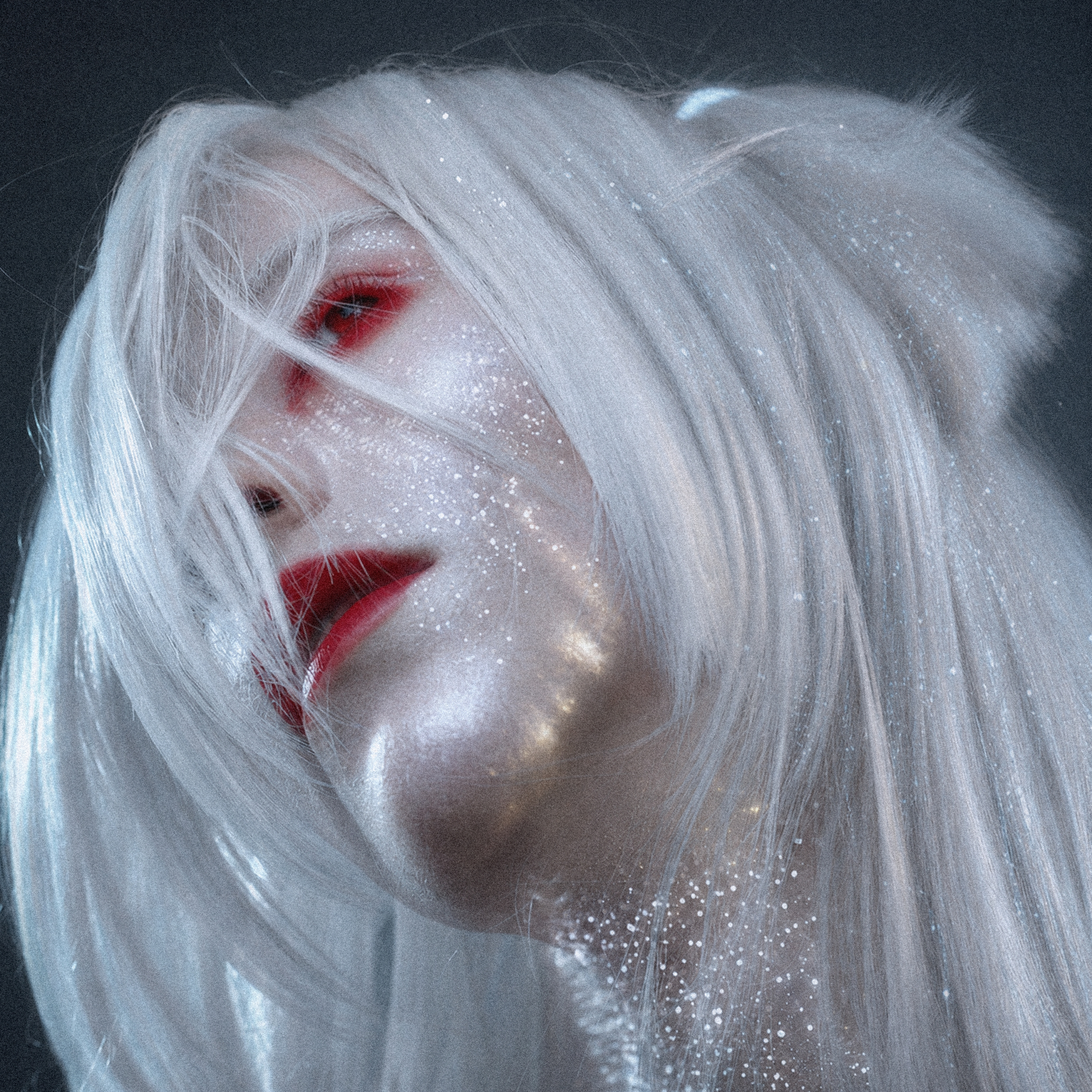
Russia-born, Icelandic musician, composer, performer, interdisciplinary artist, and activist DIANA BURKOT (PUSSY RIOT) is proud to present her new project Sweat and Blood.
A multi-faceted yet cohesive and coherent body of work, originally initiated in 2018 and later conceptually developed as part of a broader final project for her MMA degree at the Iceland University of the Arts, Sweat and Blood will be released on 26th February 2027 via Overdrive Records.
As a first taste of the new material, lead single ‘neVesta’ is released 26th November 2026 via all good digital service providers.
Musically, the single balances fragile melodicism with heavy electronic pressure. High, vulnerable vocals move through synthetic textures, broken rhythmic structures, and deep sub-bass, creating a sound that feels delicate. The track has a clear pop sensibility, but its emotional logic remains restless and slightly distorted, like a wedding song collapsing into anxiety from within.
The track unfolds as a musical novella about Vesta—a woman caught between desire, fantasy, social expectation, and exhaustion. The title plays with the Russian word nevesta, meaning “bride”. By separating Vesta from ne-vesta, the song creates a quiet irony: Vesta longs for the ritual, the white veil, the proposal, the symbolic “yes”, yet she remains outside the role that society continues to romanticize.
Lyrically, ‘neVesta’ captures the emotional contradiction of wanting something you can intellectually question. The protagonist recognizes the banality of wedding fantasies, but still feels the pull of formality. Her desire is sincere, even when it feels absurd. This tension becomes the emotional core of the song: the languor of becoming “a hostage of banalities” while still grieving their absence.
Commenting on the track, Burkot says: “The title neVesta is a wordplay that only fully works in Russian: ‘nevesta’ means ‘bride,’ while Vesta is the name of the protagonist, and ‘ne’ means ‘not’, so the title can also be read as ‘no bride.’ That contradiction is at the core of the song and reflects Vesta’s inner conflict. She intellectually understands the patriarchal structures behind the institution of marriage, but she still genuinely wants this ritual and longs for that romantic fairy tale. Fairy tales often end with ‘and they lived happily ever after,’ while in reality this is where many different things begin.”
Within the larger Sweat and Blood universe, ‘neVesta’ continues Burkot’s focus on intimate stories. Rather than presenting marriage only as oppression or fantasy, the track stays inside the contradiction: the institution may be outdated, patriarchal, and absurd, yet still carries emotional, legal, and symbolic power. It is a broken bridal fairytale — tender, ironic, anxious, and painfully beautiful.
Sweat and Blood is not a complete separation from Burkot’s collective role in Pussy Riot—rather, her multiple years as a political activist within the collective serve as a context for the entire project. This album represents the search for her own individuality as a political artist, deeply rooted in her longtime artistic and musical experience.
As such, Burkot’s work on Sweat and Blood moves between experimental electronic pop, performance, and contemporary art, often combining raw sonic energy with emotional fragility and poetic imagery.
The path that led to the current form of this project started from the practical necessity to provide a framework for the artistic process inside her academic research, and the need to find her own voice and independence from her experiences in the Pussy Riot collective.
At its core, Sweat and Blood is a research into horizontal forms of organization instead of relying on a single figure, moving away from the concept of ‘heroism’ in political activism, hence why the focus shifts to ‘ordinary people’. There are no direct statements in the work, though it remains deeply political. The lyrics are abstract and image-based; emotion is the primary thing that should reach the listener.
Written and composed by Burkot, the album was developed in close collaboration with Ronja Jóhannsdóttir, an Icelandic sound designer active within Reykjavík’s underground music scene, and Kurt Uenala, a Swiss producer, songwriter, and engineer known for his work with Depeche Mode, Dave Gahan, Moby, The Kills, and Woodkid, who was responsible for the album’s mixing and mastering.
Sweat and Blood’s songs explore personal and collective trauma, life experiences, and reflections on restriction of freedom and repression. The “ordinary people” at the center of these fragmentary scenes reveal both the universality of shared experience and the uniqueness of individual stories that might otherwise remain unnoticed. Emerging from a dark fairytale-like atmosphere, the record combines soft yet dramatic, lyrical vocals with breakbeat-driven structures, including Serum-based synths reminiscent of witch house, shaped through detailed digital sound design.
The album moves between moments of physical intensity and sudden ambient or abstract passages, often within a single track. The vocals shift between clarity and heavy synthetic processing, yet retain a sense of intimacy and emotional presence. While many of the songs take the form of character-driven novellas based on real people who are Burkot’s collaborators, emotionally they are filtered through her personal perspective, shaped by her own sensory experience. This constant movement between energy and restraint creates a tangible sense of instability, where the listener is never fully settled.
Diana Burkot’s new album Sweat and Blood will be released on 26th February 2027 via Overdrive Records